


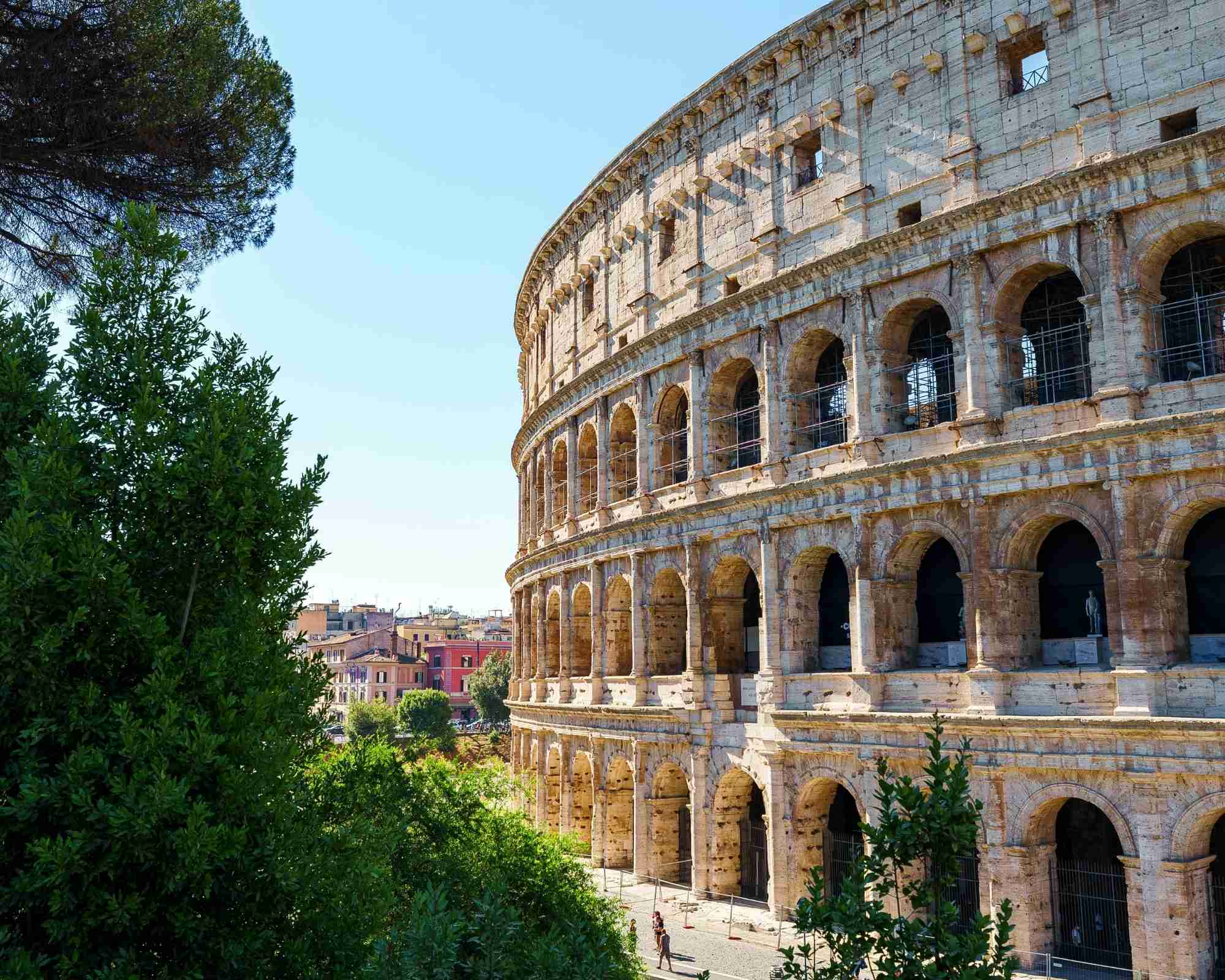
The Colosseum is not just the most iconic monument in Rome — it is one of the most visited landmarks in the world. Every year, millions of travelers step inside this ancient amphitheater hoping to experience the grandeur of Imperial Rome. Yet what many visitors don’t realize is that timing can completely transform the experience.
Choosing the best time to visit the Colosseum is not simply about weather. It directly affects crowd density, ticket availability, guided tour quality, comfort levels, and even how the light interacts with the ancient stone. If you want your visit to feel immersive rather than overwhelming, strategic planning is essential.
In this guide, we explore the best season, month, and time of day to visit the Colosseum — so you can experience Rome in the most authentic and seamless way possible.
Why Timing Matters When Visiting the Colosseum
The Colosseum is a global symbol of Ancient Rome. As a result, it operates under intense tourism pressure, especially between late spring and early autumn. During peak hours, the monument can feel crowded, noisy, and physically demanding — particularly under the Roman sun.
Visiting at the right moment allows you to experience:
- Shorter security lines
- More comfortable temperatures
- Better photography conditions
- Stronger focus during guided tours
- A calmer, more authentic atmosphere
When exploring nearby sites like the Roman Forum and Palatine Hill, proper timing becomes even more important, as the entire archaeological area requires extended walking in open spaces.
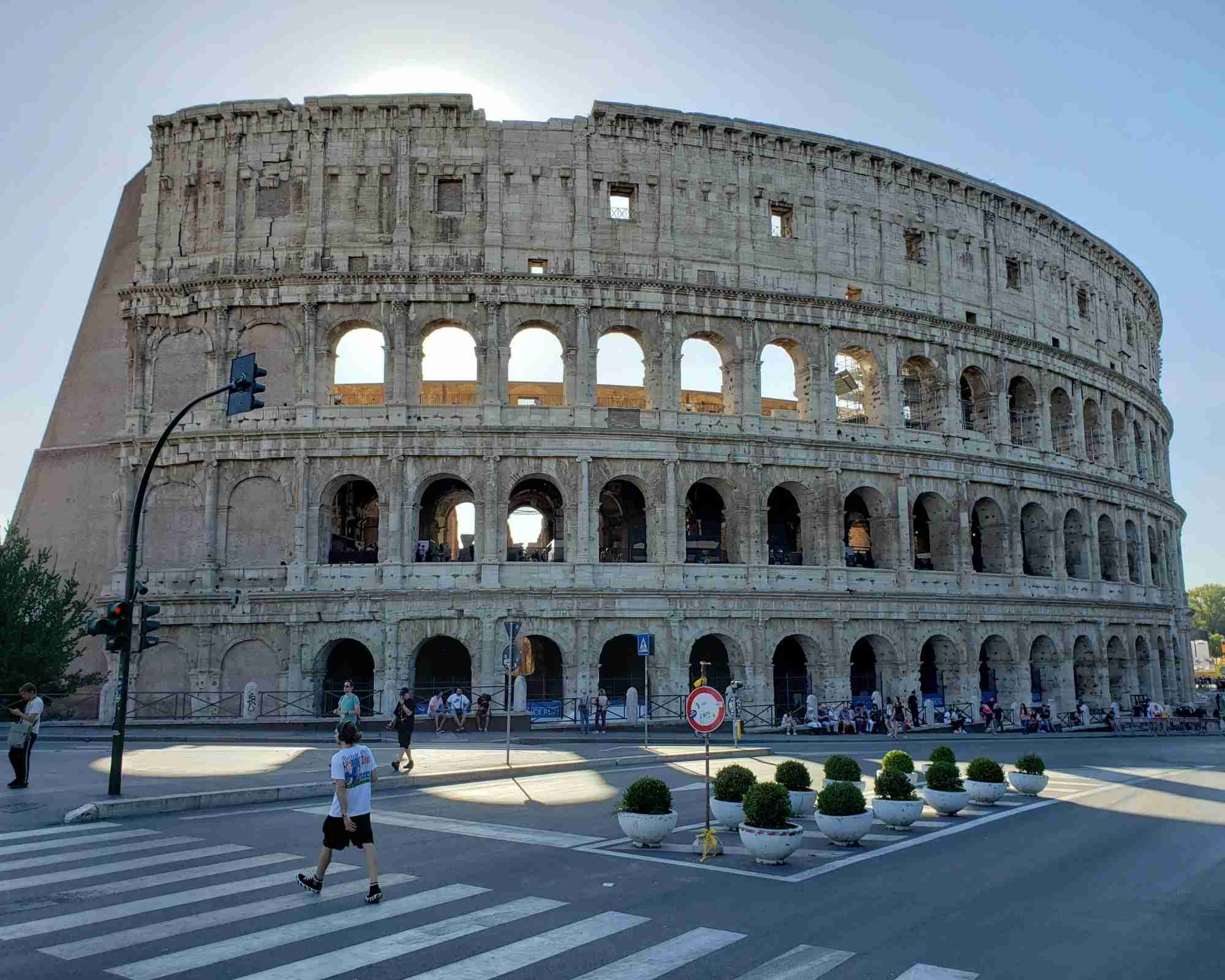
Best Season to Visit the Colosseum
Rome has a Mediterranean climate, which means hot summers and mild winters. However, not every season offers the same visitor experience.
Spring (March to May): The Perfect Balance
Spring is widely considered the best season to visit the Colosseum. Temperatures are pleasant, typically ranging between 15°C and 24°C (59°F–75°F), allowing for comfortable exploration without extreme heat.
April and May offer long daylight hours and vibrant city energy without the overwhelming summer crowds. Early morning guided tours during spring are particularly ideal, as the light is soft and the atmosphere remains relaxed.
For travelers seeking a premium Colosseum guided tour in Rome, spring provides optimal conditions for storytelling, photography, and overall comfort.
Summer (June to August): Peak Season Strategy Required
Summer is the busiest time of year in Rome. Visitor numbers surge, and temperatures often exceed 35°C (95°F). Midday visits can become exhausting due to limited shade inside the monument.
If you are visiting during summer, the best strategy is clear:
Visit at opening time or late in the afternoon.
Early entry allows you to avoid peak tour bus arrivals and experience the monument before the heat intensifies. Late afternoon offers beautiful golden light, though crowds may still be present.
Advance booking becomes crucial during summer months, especially for arena floor or small-group experiences.
Fall (September to November): A Refined Alternative
Fall offers a quieter, more balanced experience. September still carries warmth, but October brings cooler air and gradually decreasing crowds.
October is often one of the most pleasant months to visit Rome. The sunlight becomes softer, creating ideal conditions for photography and a more cinematic atmosphere inside the Colosseum.
Winter (December to February): Fewer Crowds, More Intimacy
Winter is the least crowded season, excluding holiday spikes. While temperatures can be cooler and occasional rain is possible, the reduced visitor flow allows for a more intimate experience.
If your priority is avoiding crowds and experiencing the Colosseum in a calmer setting, winter mornings are surprisingly rewarding.
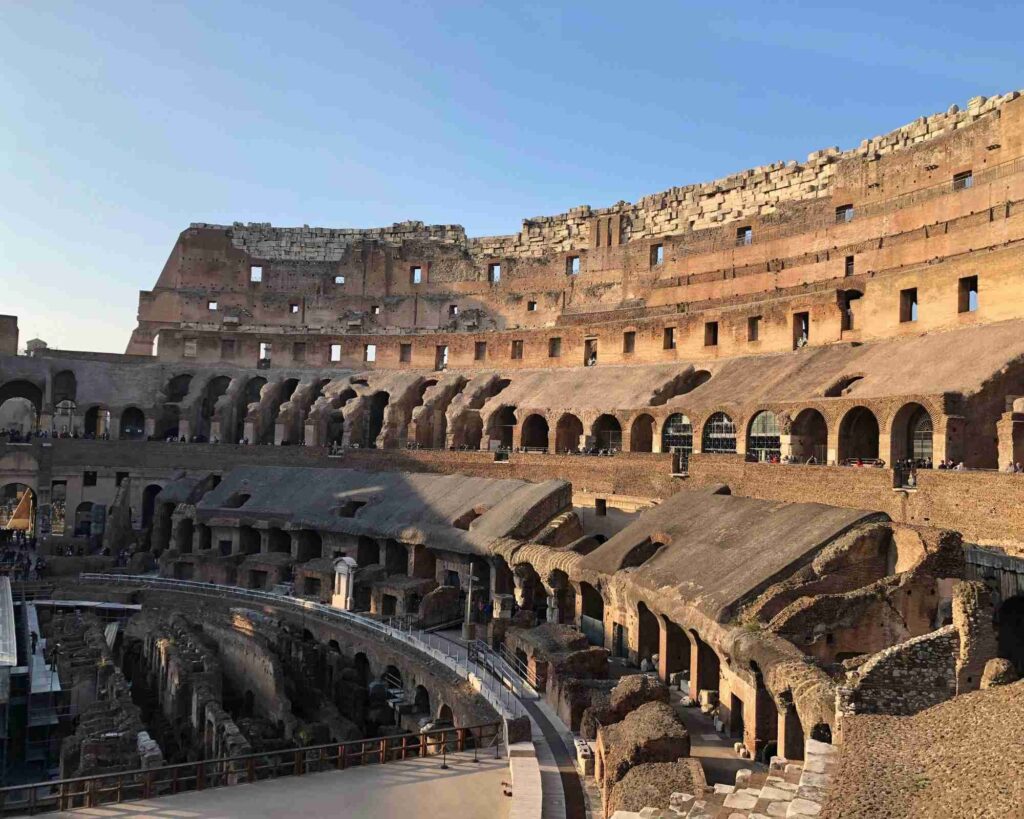
Best Time of Day to Visit the Colosseum
Beyond season, the time of day plays a decisive role in shaping your visit.
Early Morning: The Smartest Choice
The first time slot of the day is consistently the best time to visit the Colosseum. You benefit from:
- Cooler air
- Lower crowd density
- Smoother security entry
- Clearer photographs
Morning tours also allow guides to deliver detailed historical explanations without competing noise levels.
Midday: The Most Challenging Period
Between 11:00 AM and 3:00 PM, the Colosseum reaches peak density. Heat, lines, and high foot traffic make this the least comfortable window, especially in summer.
While still manageable, midday visits require patience and hydration.
Late Afternoon: Golden Hour Atmosphere
Late afternoon offers softer lighting and a slightly calmer flow as the day progresses. The travertine stone glows warmly, creating dramatic shadows and beautiful photo opportunities.
While not as empty as early morning, late afternoon can be visually stunning, particularly in spring and autumn.
Best Months to Visit the Colosseum
If narrowing your travel dates, the following months offer the strongest combination of weather and manageable crowds:
April, May, late September, and October.
These months provide:
- Comfortable walking temperatures
- Balanced visitor flow
- Extended daylight
- Ideal photography conditions
For many experienced travelers and local guides, October stands out as one of the most enjoyable months overall.
Weekday vs Weekend: Does It Make a Difference?
Yes, there is a clear difference between weekdays and weekends, as weekends tend to be significantly more crowded than weekdays.
Weekdays generally offer a smoother experience compared to Saturdays and Sundays. Tuesday through Thursday often feel more balanced, particularly outside peak summer.
Avoiding national holidays and major travel weekends can significantly improve your visit.
Planning a Seamless Colosseum Experience
The Colosseum can be visited on its own. However, most tickets include access to the Roman Forum and Palatine Hill. Starting your visit early at the Colosseum allows you to continue exploring the archaeological complex before temperatures rise and crowds intensify.
For travelers seeking a deeper historical understanding, booking a small-group guided experience enhances the visit dramatically. The Colosseum is not just stone architecture — it is a story of gladiators, emperors, political power, and Roman engineering innovation. Experiencing it with professional context transforms a sightseeing stop into an educational journey.
Final Thoughts for the Best Time to Visit the Colosseum?
If you want the most comfortable and authentic experience, here is the ideal formula:
Visit during spring or early autumn.
Choose a weekday morning.
Book in advance, Guide Us Tours Colosseum & Roman Forum & Palatine Hill Small Group Guided Tour
The Colosseum itself remains timeless, but your experience of it depends heavily on timing. When you step inside early in the morning, before the crowds intensify and while the air is still calm, the monument feels more powerful — almost personal.
Rome rewards those who plan carefully. Choosing the best time to visit the Colosseum ensures that your encounter with this ancient amphitheater becomes not just another stop on your itinerary, but a lasting memory shaped by clarity, comfort, and perspective.
Experience the Colosseum the Right Way with Guide Us Tours
To truly experience the Colosseum beyond the surface, timing should be combined with the right guidance. At Guide Us Tours, we specialize in carefully curated small-group experiences that prioritize depth, comfort, and seamless organization. Our Colosseum tours are designed to maximize your time inside the monument while avoiding unnecessary delays and overcrowded time slots. With expert local guides, structured itineraries, and limited group sizes, we ensure that your visit feels immersive rather than rushed. As availability for premium time slots fills quickly; especially during spring and autumn, we strongly recommend securing your tour in advance. Early booking not only guarantees access to the best hours of the day but also ensures a smoother and more rewarding Roman experience from the very beginning.