


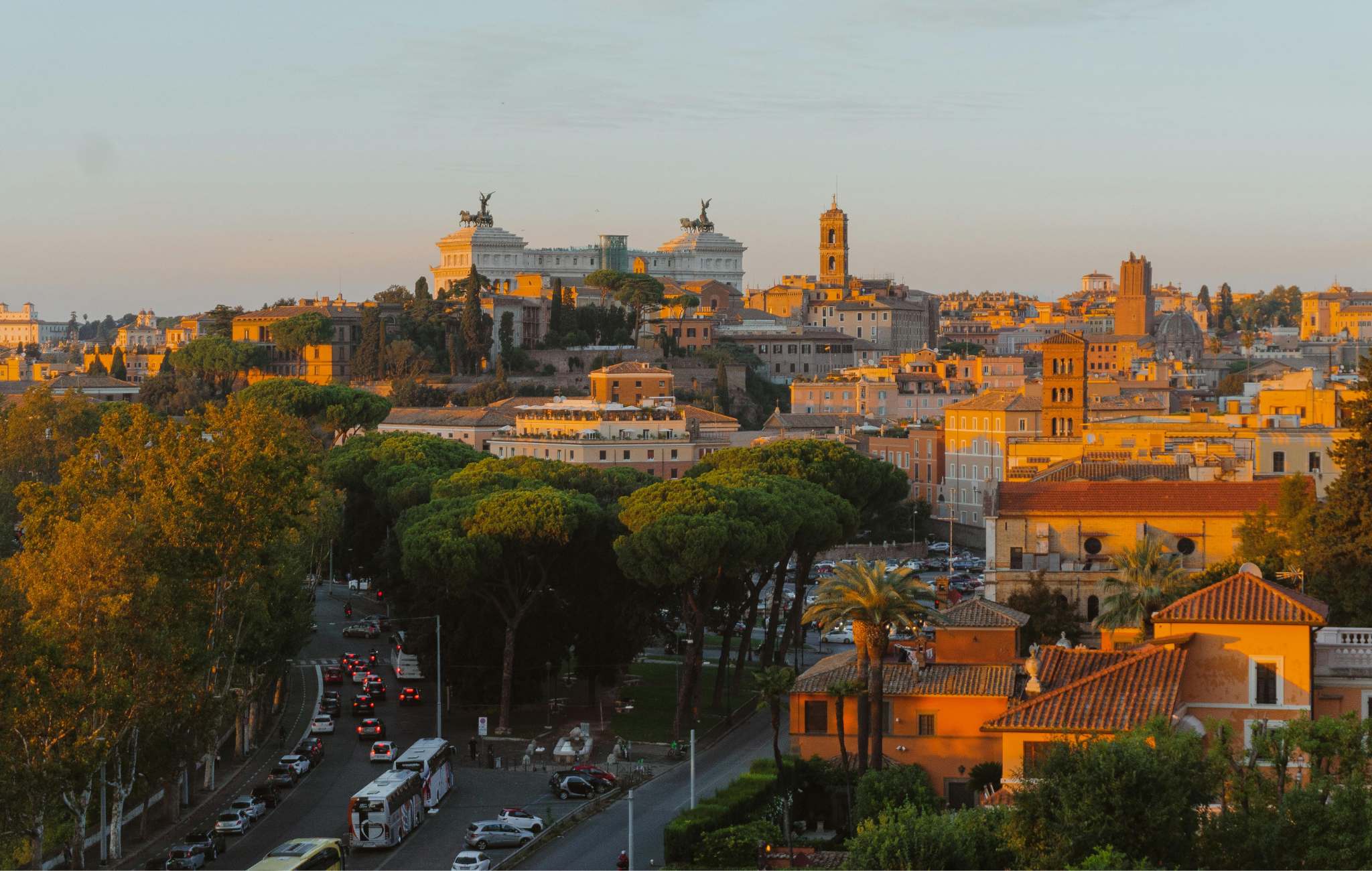
Planning a trip to Rome is exciting, but it can also become surprisingly overwhelming. The city is layered with centuries of history, world-famous landmarks, vibrant neighborhoods, and cultural experiences that seem impossible to fit into a limited schedule.
One of the most common mistakes travelers make is trying to do too much in too little time. Rome is not a city that rewards rushing. The best experiences happen when an itinerary is structured thoughtfully, balancing iconic attractions with moments that allow the city itself to unfold naturally.
From our perspective, designing the perfect Rome itinerary is not about checking landmarks off a list. It’s about creating a rhythm that allows history, culture, and atmosphere to connect into one cohesive experience.
Why Planning a Rome Itinerary Matters
Rome is larger and more complex than many visitors initially expect. Attractions may appear close together on a map, but navigating the city involves walking, crowds, transportation logistics, and timing considerations that can quickly affect the flow of a trip.
A strong itinerary helps avoid:
- Spending too much time in queues
- Crossing the city inefficiently
- Rushing through major sites
- Missing the atmosphere that makes Rome special
The goal is not simply to see the Colosseum or the Vatican—it’s to experience them properly while still leaving space to enjoy Rome itself.
Balancing Ancient Rome with the Vatican Experience
One of the biggest challenges in Rome vacation planning is balancing the city’s two major historical dimensions: Ancient Rome and Vatican City.
Ancient Rome Requires More Time Than Expected
The Colosseum, Roman Forum, and Palatine Hill are not quick stops. Together, they form a large archaeological area with multiple layers of history and architecture.
A well-structured Colosseum tour in Rome often takes several hours when explored properly. Beyond the amphitheater itself, the surrounding ruins help explain how the Roman Empire functioned politically, socially, and architecturally.
The Vatican Is More Than a Single Attraction
Many travelers underestimate the scale of the Vatican Museums. The collection is immense, and navigating it without structure can become exhausting.
A thoughtful Vatican Museums visit should include enough time not only for the museums and Sistine Chapel, but also for St. Peter’s Basilica and the surrounding area.
Trying to combine both Ancient Rome and the Vatican in a single day often leads to fatigue and rushed experiences. Separating them into different days creates a far more enjoyable balance.
How to Structure Your Days Efficiently in Rome
A successful Rome travel guide is built around flow and proximity.
Understanding Travel Distances Within Rome
Rome is highly walkable, but walking between major attractions still takes time. Cobblestone streets, crowds, and unexpected discoveries naturally slow the pace.
Grouping nearby attractions together creates a more comfortable experience. For example:
- Colosseum + Roman Forum + Palatine Hill
- Vatican Museums + St. Peter’s Basilica
- Pantheon + Piazza Navona + Trevi Fountain
This structure minimizes unnecessary transportation and maximizes immersion.
Building Around Energy Levels
Rome can be physically demanding, especially during warmer months. Structuring your itinerary around energy levels makes a major difference.
We often recommend:
- Historical landmarks in the morning
- Relaxed lunches and slower afternoons
- Neighborhood exploration in the evening
This balance keeps the experience enjoyable instead of exhausting.
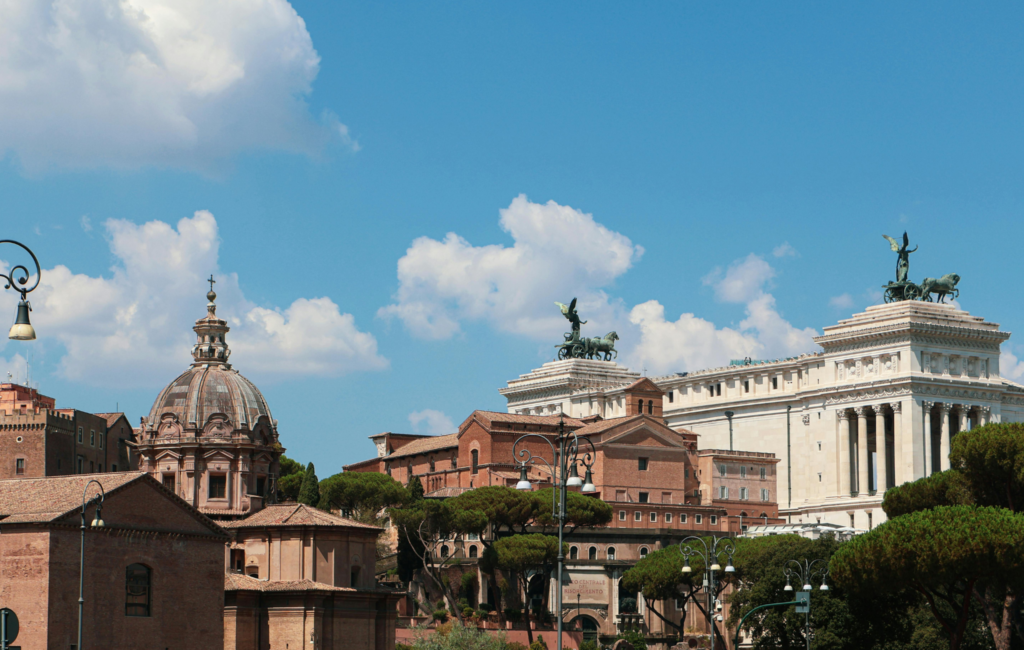
Choosing Between Landmarks and Local Atmosphere
One of the most important parts of designing a Rome itinerary is understanding that the city’s atmosphere matters just as much as its monuments.
Rome Is Best Experienced Slowly
Some of the most memorable moments happen outside major attractions:
- Sitting in a quiet piazza
- Walking through Trastevere at sunset
- Discovering small streets in Monti
- Enjoying an unplanned café stop near the Pantheon
These moments create emotional connection and allow Rome to feel personal rather than purely touristic.
Avoid Overloading Your Schedule
Many first-time visitors try to fill every hour with activities. In reality, leaving room for flexibility often leads to a richer experience.
The best itineraries combine structure with openness.
The Importance of Timing When Visiting Rome
Timing shapes nearly every aspect of the trip.
Best Times of Day for Major Attractions
The Colosseum and Vatican are significantly more enjoyable early in the morning or later in the afternoon. These periods generally offer:
- Softer light
- Lower temperatures
- Smaller crowds
- Better photography conditions
This is especially important during spring and summer, when visitor numbers increase dramatically.
Seasonal Considerations
Travelers from the US, UK, and Canada often visit Rome between April and October. While these months offer excellent weather, they also bring peak tourism.
For a more balanced experience, shoulder seasons such as March, early April, late October, and November can provide a better mix of atmosphere and comfort.
Why Guided Tours Improve a Rome Itinerary
Independent travel has its advantages, but certain sites in Rome become significantly more meaningful with expert guidance.
Understanding Historical Context
The Colosseum, Roman Forum, and Vatican are layered with historical details that are easy to miss without explanation.
A guided experience provides:
- Historical clarity
- Better navigation
- Efficient pacing
- Access to deeper storytelling
Instead of simply observing ruins or artworks, visitors begin to understand how these places shaped history.
Reducing Stress and Uncertainty
One of the hidden benefits of Rome guided tours is logistical simplicity.
Structured tours help eliminate confusion around:
- Entrance procedures
- Timed access
- Navigation inside complex sites
- Understanding what is most important to see
This allows travelers to focus more on the experience itself.
Creating a More Comfortable and Meaningful Experience
The perfect itinerary is not necessarily the busiest one. It’s the one that feels balanced.
Balancing Museums, Monuments, and Open Time
Too many museums in a row can become mentally exhausting. Too many crowded landmarks can reduce enjoyment.
Alternating between:
- Guided historical visits
- Relaxed neighborhood walks
- Scenic viewpoints
- Local dining experiences
creates a far more natural rhythm.
The Value of Small Group Experiences
Smaller group tours often make a major difference in Rome. They allow for:
- Easier movement through crowded spaces
- More interaction
- Better visibility
- A calmer overall atmosphere
This becomes particularly valuable at sites like the Colosseum and Vatican Museums.
Experiencing Rome Beyond the Main Attractions
Rome’s identity extends far beyond its famous landmarks.
Neighborhoods like Trastevere, Monti, and Prati reveal a different side of the city—one centered around local rhythm, architecture, cafés, and everyday life.
Including these areas in your itinerary creates contrast and depth. The city begins to feel lived-in rather than simply visited.
This is often where travelers connect with Rome most personally.
Discover Rome with Us
When we design our experiences, we focus on balance. We believe Rome should feel immersive, comfortable, and meaningful—not rushed or overwhelming.
Our small group tours are structured to combine historical depth with smooth organization, helping travelers move through the city naturally while understanding what they’re seeing in a deeper way. Through expert storytelling and carefully planned pacing, we aim to create experiences that feel both informative and personal.
Whether exploring the Colosseum, the Roman Forum, the Vatican, or the neighborhoods that give Rome its character, our goal is always the same: helping visitors experience the city with clarity, comfort, and connection.
If you are planning your next trip to Rome, we invite you to explore the city with us through experiences designed not just around landmarks, but around the way Rome is meant to be lived.