



Spring arrives in Rome with a quiet transformation. The city softens, sunlight lingers longer on ancient stones, and the rhythm of daily life blends with centuries-old traditions. Easter is not just a holiday here; it is a moment when Rome feels more alive, more layered, and more meaningful than usual.
For travelers seeking more than just sightseeing, Easter offers a rare opportunity to experience Rome as both a historical and living city. From iconic landmarks like the Colosseum to hidden streets best explored on foot, this period invites a deeper kind of discovery.
Easter Is One of the Best Times to Visit Rome
Easter marks the beginning of Rome’s most beautiful season. The temperatures are mild, the light is golden, and the city is in full bloom. Unlike the intense heat of summer, spring allows visitors to explore comfortably, making it ideal for long walks and immersive guided experiences.
What makes Easter particularly special is the atmosphere. The city carries a sense of anticipation and energy, especially around historic and religious sites. Yet beyond the crowds in central areas, Rome reveals quieter corners where you can still feel its authentic character.
This balance between vibrancy and intimacy makes Easter one of the most rewarding times to explore Rome—especially if you choose experiences that go beyond surface-level visits.
Easter in Rome also aligns with one of the most strategic travel periods for visitors who want to combine comfort and depth. The city is active but not yet overwhelmed by peak summer tourism, which means that guided tours in Rome—especially small group formats—offer a more controlled and enjoyable experience. Travelers searching for things to do in Rome during Easter will quickly realize that this period allows for a balanced itinerary, where iconic landmarks like the Colosseum, Roman Forum, and Palatine Hill can be explored without the extreme conditions of high season. This makes Easter one of the best times to visit Rome for those who value both efficiency and quality in their travel planning.
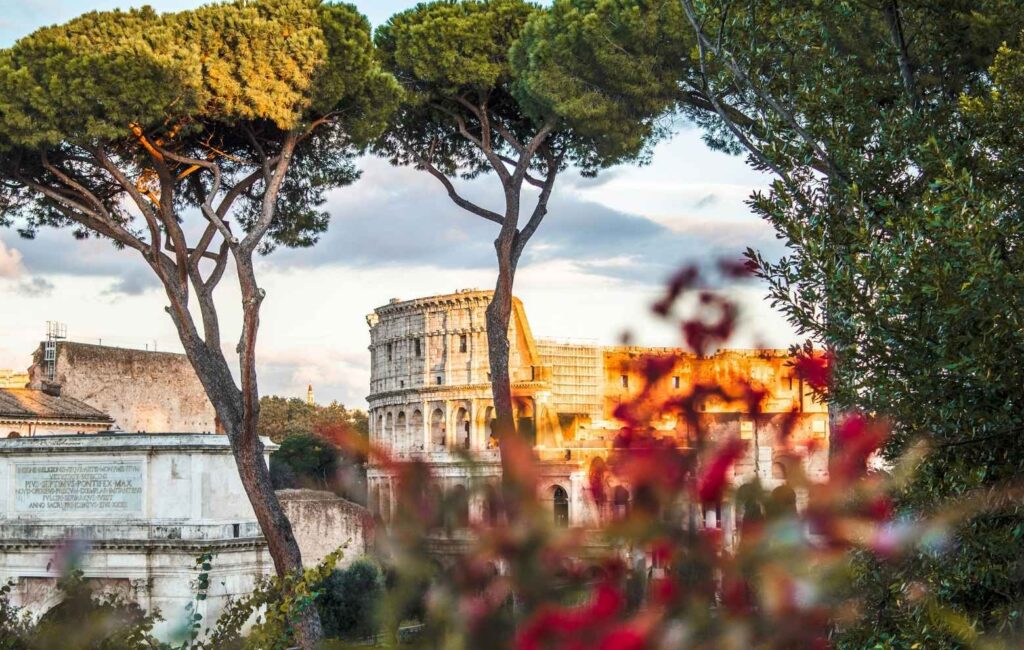
Exploring the Colosseum During Easter Season
There is something uniquely powerful about visiting the Colosseum in spring. The softer light enhances the textures of the ancient stone, and the surrounding landscape feels more open and alive.
A guided tour during this season transforms the experience entirely. Instead of simply walking through ruins, you begin to understand the structure as a living space of history—where stories of emperors, gladiators, and everyday Romans unfold with clarity.
A well-structured Colosseum guided tour, especially in a small group, allows you to move smoothly through the monument while focusing on details often missed in larger crowds. From the first and second tiers to optional arena access, each level offers a different perspective, both visually and historically.
Easter season can bring higher visitor numbers, which makes organization and timing even more important. Choosing a professionally managed guided experience ensures that your visit remains fluid and immersive rather than rushed or fragmented.
When planning a Colosseum guided tour in Rome during Easter, timing and structure become essential factors. The demand for Colosseum tours increases significantly, making it important to choose experiences that are well-organized and professionally managed. A detailed guided tour of the Colosseum not only provides historical context but also ensures a smooth entry process, allowing visitors to focus on the experience itself rather than logistics. Combining the Colosseum with the Roman Forum and Palatine Hill creates a complete archaeological journey, which remains one of the most searched and valuable experiences for anyone exploring Rome. For travelers looking for a high-quality Colosseum tour in Rome, Easter is the perfect moment to engage with this iconic site in a more immersive way.
Discovering Rome Through Walking Tours
Rome is a city that reveals itself best on foot. While landmarks define its image, it is the spaces between them that create its true identity.
Walking tours during Easter allow you to experience this side of Rome in a natural and engaging way. As you move through historic streets, past fountains, piazzas, and local neighborhoods, the city begins to feel less like a destination and more like a place you understand.
The difference lies in the storytelling. A well-guided walking tour connects architecture, history, and daily life into a cohesive narrative. You don’t just see Rome—you start to read it.
Small group formats are particularly valuable during this period. They provide flexibility, a more personal atmosphere, and the ability to navigate both busy and quiet areas efficiently. This creates a more refined and enjoyable experience compared to large, rigid group tours.
Rome walking tours become particularly relevant during Easter, as the city’s atmosphere encourages slow exploration. Many of the best things to do in Rome are not confined to major landmarks but are found in the transitions between them. A guided walking tour in Rome allows visitors to connect these elements seamlessly, transforming isolated attractions into a cohesive narrative. Small group walking tours, in particular, provide a more refined experience, where guides can adapt the pace and share insights that go beyond standard information. For those searching for authentic Rome experiences, walking tours represent one of the most effective ways to understand the city’s identity.
The Atmosphere of Vatican City During Easter
Easter is the most significant period of the year in Vatican City, and its presence is felt throughout Rome. St. Peter’s Square becomes a focal point for visitors from around the world, creating an atmosphere that is both intense and meaningful.
Even if you are not attending specific ceremonies, the energy of the area is unmistakable. Early mornings offer a quieter perspective, while later hours showcase the full scale of the gathering.
Balancing a visit to the Vatican with other experiences in Rome is key. After the intensity of this area, returning to more relaxed environments—such as a walking tour or a structured visit to the Colosseum—helps create a well-rounded itinerary.
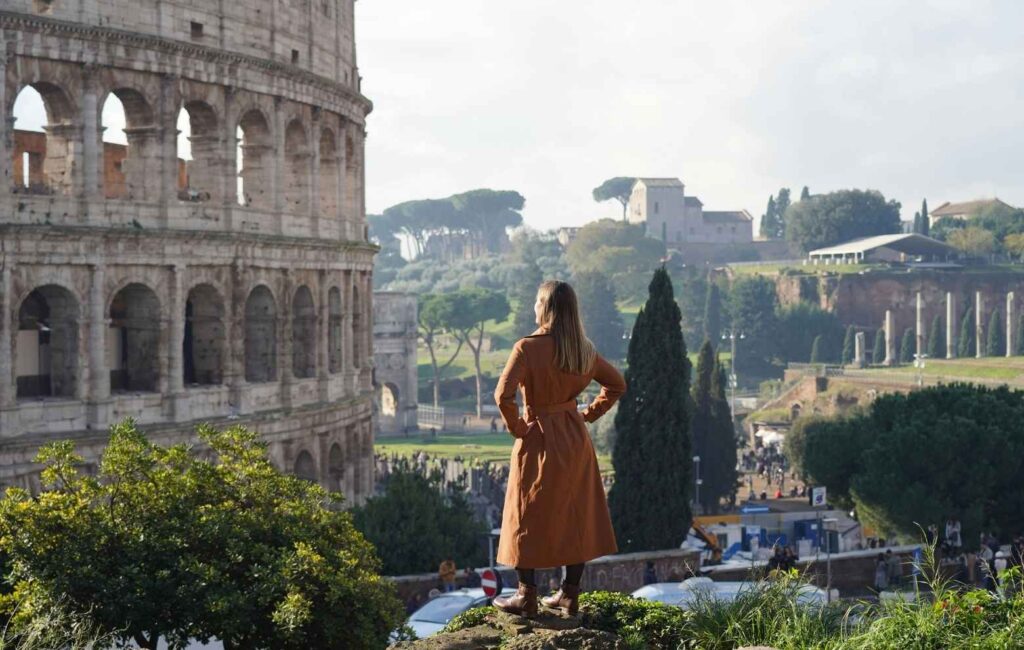
Hidden Corners and Local Experiences in Spring
Beyond the major landmarks, Easter is the perfect time to explore Rome’s quieter side. Neighborhoods like Trastevere or areas around Aventine Hill offer a slower pace, where you can observe local life more closely.
Spring enhances these spaces with color and light. Small details—like open windows, blooming plants, or the sound of distant conversations—become part of the experience.
These moments are often the most memorable, and they are best discovered without rushing. Integrating them into your itinerary, especially alongside guided experiences, creates a deeper connection with the city.
For travelers interested in local experiences in Rome, Easter offers the ideal setting to move beyond traditional itineraries. The city’s neighborhoods reveal a different dimension of Rome, where daily life continues alongside its historic backdrop. Exploring these areas through guided tours or independent walks allows visitors to experience Rome in a more organic way. This approach aligns with current travel trends, where visitors increasingly seek meaningful and less crowded experiences. As a result, combining major attractions with local exploration has become one of the most recommended strategies for those visiting Rome during Easter.
Plan a Balanced Easter Itinerary in Rome
A successful Easter itinerary in Rome is not about seeing everything—it is about structuring your time intelligently.
Start with key experiences like a Colosseum guided tour, where timing and organization matter most. Then complement it with walking tours that allow for flexibility and exploration. Leave space for unplanned moments, whether it’s sitting in a piazza or discovering a quiet street.
Avoid overloading your schedule. Rome rewards those who slow down and engage with it rather than simply moving through it.
Choosing experiences that combine storytelling, efficient organization, and smaller group sizes ensures that your time in the city remains both productive and enjoyable.
Creating a well-structured Rome itinerary during Easter requires a strategic combination of guided tours and flexible exploration. Starting with high-demand experiences such as a Colosseum guided tour ensures that key attractions are secured, while adding Rome walking tours introduces a more relaxed and exploratory element to the schedule. This balance allows travelers to experience both the iconic and the authentic sides of Rome. For those planning their trip, focusing on quality experiences rather than quantity leads to a more memorable and efficient visit. Easter in Rome is not about rushing through landmarks, but about experiencing them with context and clarity.
Experience Rome with Guide Us Tours
Easter is a time when Rome deserves to be experienced properly. With the right approach, it becomes more than a visit—it becomes a layered and memorable journey.
Guide Us Tours focuses on delivering that experience through carefully designed guided tours. Whether it’s exploring the Colosseum with depth and clarity or discovering the city through walking tours, the emphasis is always on quality, storytelling, and smooth organization.
Small group sizes, expert guides, and a structured yet natural flow allow you to experience Rome without unnecessary stress or confusion.
In a city as complex and rich as Rome, the difference lies in how you explore it. And during Easter, that difference becomes even more meaningful.
For travelers searching for the best guided tours in Rome, the focus should always be on quality, organization, and authenticity. Guide Us Tours offers a curated selection of Rome guided tours designed to provide a seamless and engaging experience, particularly during high-demand periods like Easter. From Colosseum guided tours to small group walking tours, each experience is structured to maximize both comfort and depth. As more visitors prioritize well-organized and meaningful travel experiences, choosing the right guided tour becomes a defining factor in how Rome is experienced. During Easter, this choice becomes even more critical, making professionally managed tours an essential part of any Rome travel plan.