


If you’re planning a trip to Italy in mid-August, you’ll quickly come across one word that appears everywhere: Ferragosto. Celebrated every year on August 15, Ferragosto is one of Italy’s most important national holidays. It marks the peak of the summer season, when many Italians take vacations, gather with family, and enjoy a well-deserved break from everyday life.
For international travelers, Ferragosto often raises important questions. Will museums be open? Can you still visit the Colosseum? Are restaurants closed? Is Rome too crowded—or surprisingly quiet?
From our experience welcoming visitors throughout the summer, Ferragosto offers a unique opportunity to experience Rome from a different perspective. With a little planning, it can become one of the most memorable times to visit the Eternal City.
What Is Ferragosto and Why Is It Important?
Ferragosto is deeply rooted in Italian history and remains one of the country’s most celebrated holidays.
The Origins of Ferragosto in Italy
The tradition dates back to Ancient Rome, when Emperor Augustus established a period of rest known as Feriae Augusti. Centuries later, the Catholic Church associated the holiday with the Feast of the Assumption of the Virgin Mary, creating the celebration that Italians observe today.
Today, Ferragosto blends ancient traditions with modern customs, combining religious celebrations, family gatherings, seaside vacations, concerts, and festive events throughout the country.
How Romans Celebrate August 15
Many local residents leave the city for nearby beaches, mountains, or countryside destinations. Others remain in Rome to celebrate with family lunches, outdoor dinners, and evening events.
For visitors, this creates an interesting contrast: while some neighborhoods become quieter, Rome’s major attractions continue welcoming travelers from around the world.
What Rome Is Like During Ferragosto
Ferragosto changes the rhythm of the city without stopping it.
Rome remains lively, especially around its most famous monuments, but daily life feels different from an ordinary summer day.
Some local businesses close for annual holidays, while tourist-oriented restaurants, cafés, hotels, and attractions generally remain open. Historic squares stay active throughout the evening as visitors enjoy the warm summer atmosphere.
One of the biggest differences is the pace. Locals slow down, and visitors who embrace that rhythm often enjoy Rome even more.
Which Attractions Stay Open During Ferragosto
One of the biggest misconceptions is that everything closes on August 15.
In reality, many of Rome’s most important attractions continue operating, although opening hours and visitor capacity may occasionally vary.
Visiting the Colosseum During Ferragosto
The Colosseum Rome remains one of the city’s top attractions throughout August.
Because Ferragosto coincides with peak tourist season, demand is extremely high. Timed entry tickets often sell out well in advance, making early reservations essential.
Morning visits generally provide the most comfortable conditions before temperatures reach their highest levels.
Can You Visit the Vatican During Ferragosto?
The Vatican Museums and St. Peter’s Basilica follow their own operating schedules, and availability depends on the calendar for each year.
Travelers should always verify official opening hours before their visit and reserve tickets whenever possible.
Planning ahead is particularly important during Ferragosto week, when visitor demand is consistently among the highest of the summer.
Experiencing Rome Beyond the Main Landmarks
Ferragosto offers an excellent opportunity to discover a slower side of Rome.
Restaurants, Shops, and Local Businesses
While some neighborhood businesses may close temporarily, the city’s main tourist areas continue operating.
You’ll still find:
- Traditional trattorias
- Gelato shops
- Outdoor cafés
- Wine bars
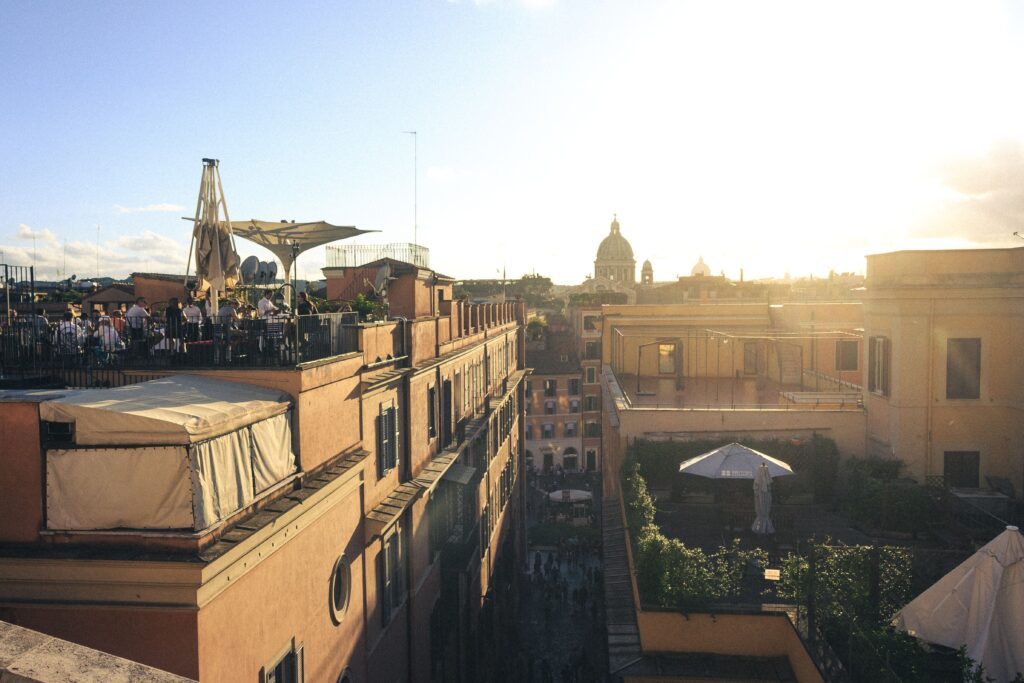
- Evening terraces
Reservations are recommended for popular restaurants, especially on August 15.
Evening Events and Summer Atmosphere
One of the highlights of Ferragosto is Rome after sunset.
As temperatures become more comfortable, piazzas fill with visitors, musicians perform in public spaces, and outdoor dining continues well into the night.
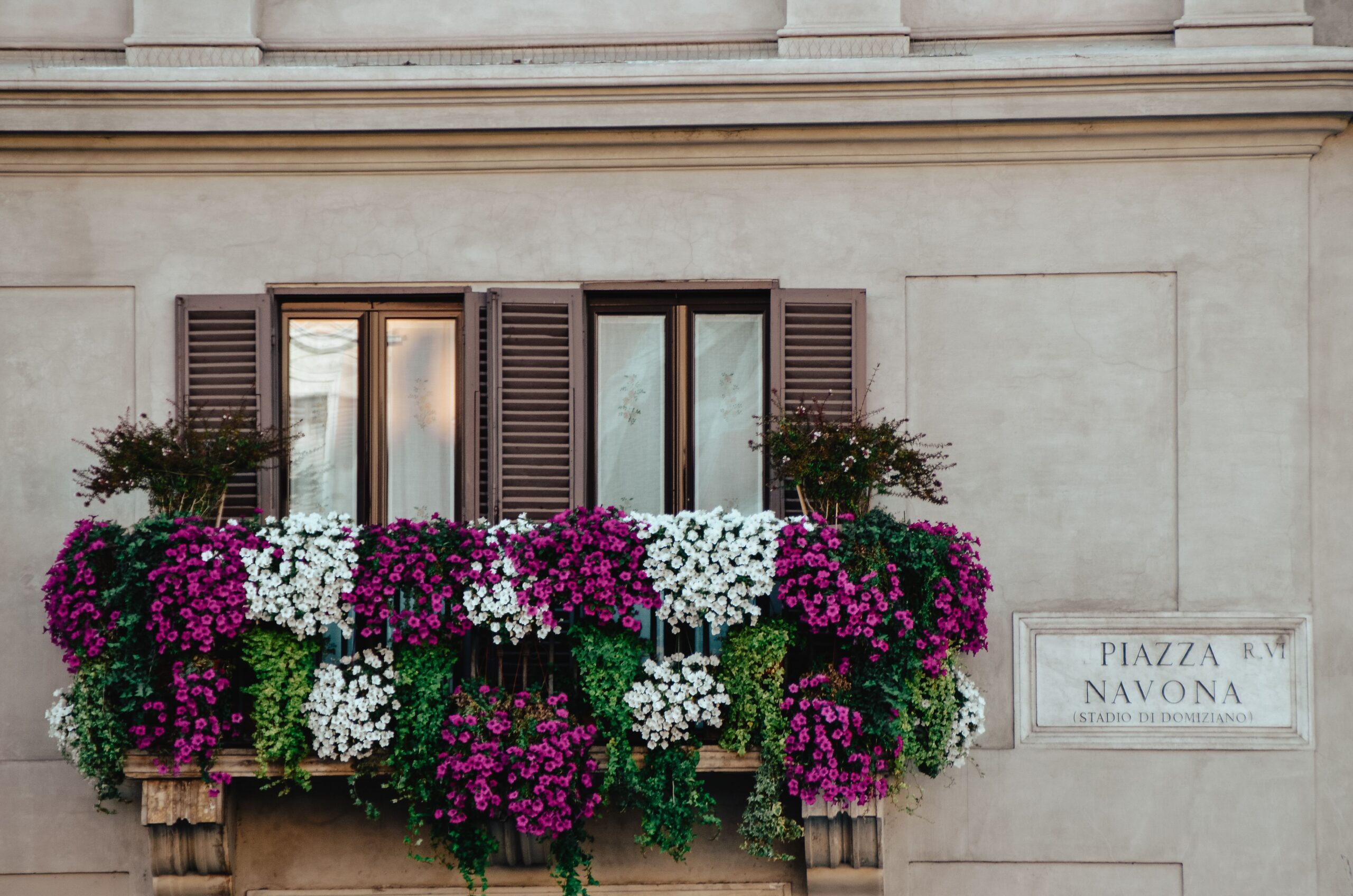
Neighborhoods such as Trastevere, Monti, Campo de’ Fiori, and Piazza Navona become especially enjoyable during the evening hours.
Travel Tips for Visiting Rome During Ferragosto
A little preparation makes a significant difference.
How to Beat the August Heat
August is typically one of the hottest months of the year in Rome.
We recommend:
- Beginning sightseeing early
- Taking breaks during the hottest hours
- Carrying a reusable water bottle
- Wearing lightweight clothing
- Using sunscreen and a hat
- Choosing shaded walking routes whenever possible
Rome’s historic drinking fountains provide fresh water throughout the city, making it easy to stay hydrated.
Booking Ahead for Ferragosto Travel
Accommodation, attraction tickets, and guided experiences often reach full capacity during mid-August.
Whenever possible, reserve:
- Colosseum tickets
- Vatican tickets
- Guided tours
- Restaurants
- Airport transfers
Planning ahead allows for a much more relaxed experience once you arrive.
Planning Your Ferragosto Itinerary
One of the best ways to experience Rome during Ferragosto is to organize your days around the weather and crowd patterns.
Morning hours are ideal for major attractions such as the Colosseum, Roman Forum, and Vatican.
The afternoon can be dedicated to museums, long lunches, or relaxing in shaded cafés.
Evenings are perfect for exploring Rome’s neighborhoods, enjoying outdoor dining, and experiencing the city’s unique summer atmosphere.
Balancing structured sightseeing with slower moments creates a much more enjoyable itinerary.
Why Guided Tours Make Ferragosto Easier
Peak season can make independent sightseeing more challenging.
Busy attractions, timed entrances, and high visitor numbers require careful planning.
This is where Rome guided tours become particularly valuable.
Making the Most of Small Group Experiences
Smaller groups move more comfortably through busy areas while allowing for more interaction and flexibility.
They also create a more personal atmosphere, making it easier to ask questions and fully appreciate the history behind each monument.
Expert Planning During Peak Season
Our experiences are designed around efficient scheduling, allowing visitors to spend less time worrying about logistics and more time enjoying Rome itself.
During Ferragosto, that organization becomes especially valuable.
Celebrate Ferragosto with Us in Rome
Ferragosto is more than a national holiday—it is one of the most authentic moments of the Italian summer.
As Rome shifts into its festive rhythm, we help our guests experience the city with confidence, balancing iconic landmarks with local atmosphere and thoughtful pacing.
Our small group tours combine expert storytelling, premium organization, and carefully planned itineraries that allow you to experience the Colosseum, Roman Forum, Vatican area, and other highlights without feeling rushed.
If you’re visiting Rome during Ferragosto 2026, we’d love to welcome you on one of our experiences. Explore the city’s extraordinary history with us, discover its unique summer traditions, and enjoy a journey through Rome that goes far beyond the guidebooks.