


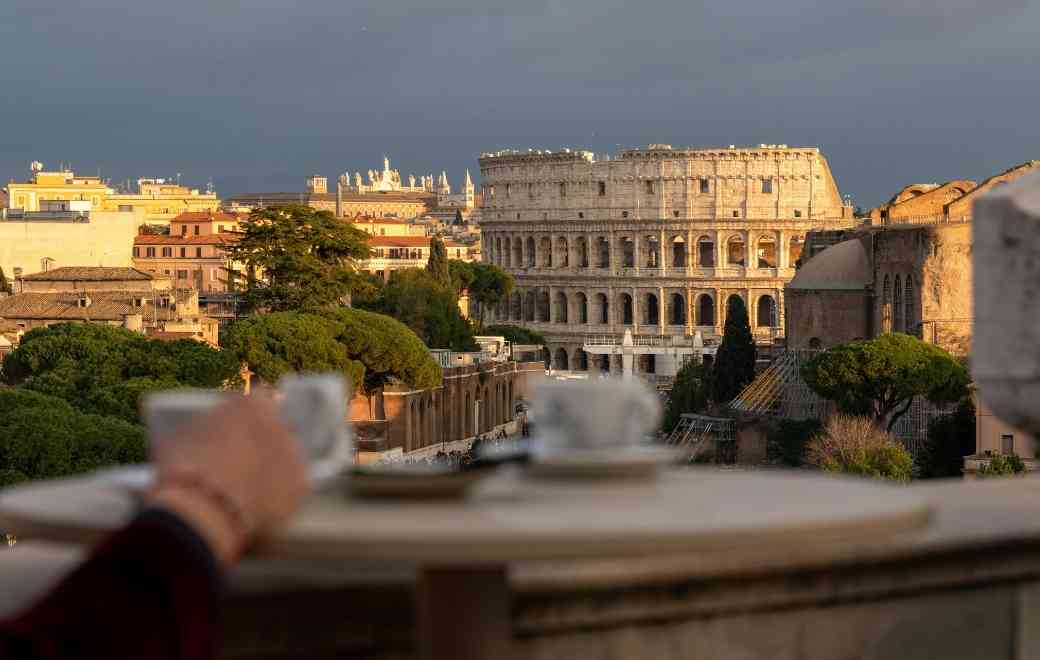
Planning a trip to Rome can feel overwhelming, especially when time is limited. With centuries of history layered across every street, monument, and piazza, knowing how to structure your visit becomes essential. A well-designed Rome in 3 days itinerary allows you to experience the city’s most iconic landmarks without rushing through them.
This guide is built for travelers who want a balanced, efficient, and enriching experience, covering ancient ruins, Renaissance masterpieces, and the vibrant rhythm of modern Rome.
Planning a Smart Rome Itinerary for Three Days
A successful Rome travel itinerary is not about seeing everything, it’s about seeing the right things in the right order. Rome is best explored by grouping nearby attractions and allowing time for both structured visits and spontaneous discovery.
Over three days, the goal is to cover:
- Ancient Rome (Colosseum, Roman Forum, Palatine Hill)
- Vatican City (Museums, Sistine Chapel, St. Peter’s Basilica)
- Historic center (piazzas, fountains, and cultural landmarks)
Walking plays a major role in Rome travel, so comfortable pacing is key. Combining major sites with guided tours ensures both efficiency and depth, especially at complex historical locations.
Day 1: Ancient Rome and the Colosseum Experience
Your first day should focus on the origins of Rome, its imperial past and monumental architecture.
Colosseum: The Heart of Ancient Rome
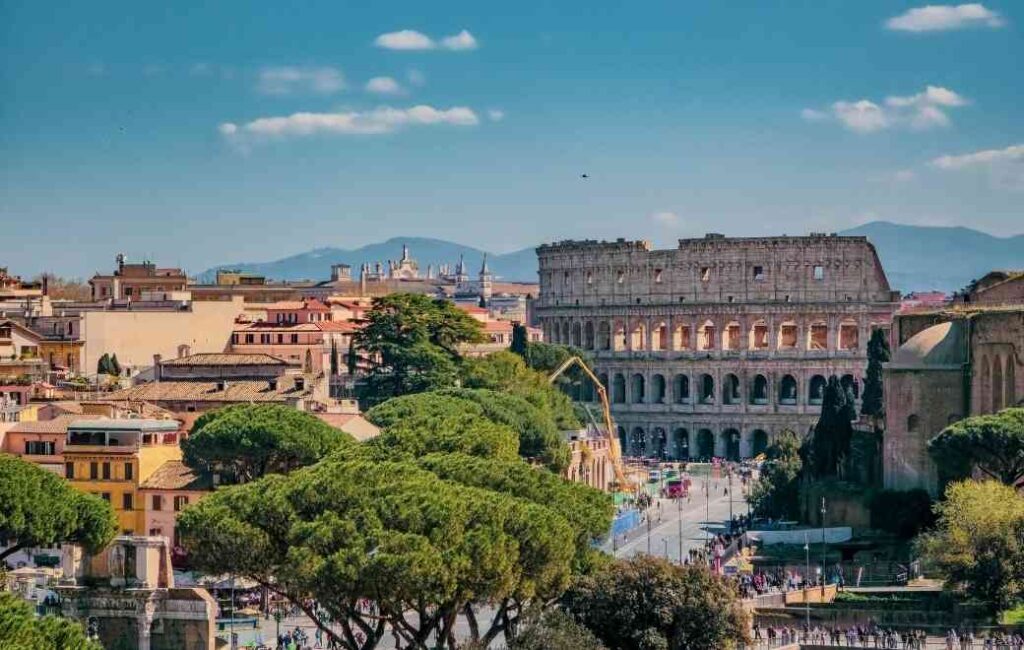
No Rome itinerary is complete without the Colosseum. As one of the most visited landmarks in the world, it represents the engineering brilliance and cultural dynamics of ancient Rome.
A structured Colosseum tour in Rome provides far more than entry—it explains how the amphitheater functioned, how events were organized, and what daily life looked like for spectators and gladiators.
Exploring the different levels reveals the scale of the structure, while access to areas like the Arena Floor offers a more immersive perspective.
Roman Forum and Palatine Hill
After the Colosseum, continue to the Roman Forum, once the political and social center of the empire. Walking through its ruins connects you to temples, basilicas, and public spaces that shaped Roman civilization.
Palatine Hill adds another dimension, offering panoramic views and insight into imperial residences. Together, these sites create a complete picture of ancient Rome.
Evening in Monti
End your day in Monti, one of Rome’s most charming neighborhoods. With its relaxed atmosphere, boutique streets, and authentic restaurants, it provides the perfect transition from historical exploration to modern Roman life.
Day 2: Vatican City and Artistic Masterpieces
The second day shifts from ancient history to Renaissance art and religious significance.
Vatican Museums and Sistine Chapel
The Vatican Museums visit is one of the highlights of any Rome trip. Home to an immense collection of art and artifacts, the museums culminate in the Sistine Chapel, where Michelangelo’s ceiling remains one of the most celebrated works in the world.
Given the size and complexity of the museums, guided tours are highly recommended. They streamline the experience and help you focus on key masterpieces without feeling overwhelmed.
St. Peter’s Basilica
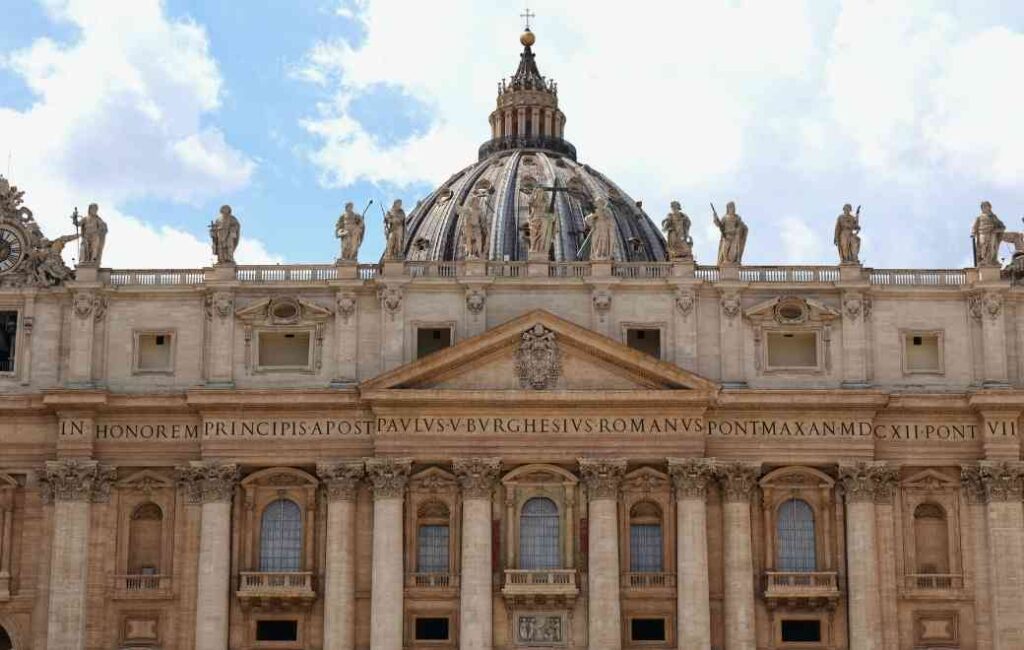
St. Peter’s Basilica stands as one of the most important churches in the world. Its architecture, sculptures, and atmosphere create a powerful experience, even for visitors without a religious focus.
Climbing to the dome offers one of the best panoramic views in Rome, making it a worthwhile addition to your itinerary.
Afternoon Along the Tiber
After the Vatican, a walk along the Tiber River provides a more relaxed pace. Crossing into central Rome, you’ll begin to experience the city’s layered identity, where history and daily life blend seamlessly.
Day 3: Rome’s Historic Center and Local Atmosphere
Your final day is dedicated to the heart of Rome, the historic center where art, culture, and everyday life intersect.
Piazza Navona and the Pantheon
Start your day at Piazza Navona, known for its elegant fountains and lively atmosphere. From there, walk to the Pantheon, one of the best-preserved monuments of ancient Rome.
Its massive dome and architectural precision continue to inspire admiration, making it a must-see on any Rome travel guide.
Trevi Fountain and Spanish Steps
Continue toward the Trevi Fountain, where tradition invites visitors to toss a coin and ensure a return to Rome. Nearby, the Spanish Steps offer a classic meeting point and a vibrant urban scene.
These landmarks may be crowded, but they remain essential stops in a well-rounded itinerary.
Trastevere: A Different Side of Rome
In the afternoon, cross the river into Trastevere. This neighborhood captures a more local, authentic side of Rome, with narrow streets, traditional trattorias, and a slower pace.
It’s the ideal place to conclude your three-day journey, immersed in atmosphere rather than monuments.
Best Time to Visit Rome for a 3-Day Trip
Timing plays a crucial role in shaping your experience. Spring and early autumn are generally considered the best periods, offering mild weather and manageable crowds.
Summer brings longer days but also higher temperatures and peak tourism levels. Winter, on the other hand, provides a quieter experience, though with shorter daylight hours.
For travelers from the US, UK, and Canada, planning around shoulder seasons often results in the most balanced experience.
Essential Travel Tips for Exploring Rome Efficiently
A successful Rome in 3 days plan depends on more than just itinerary structure.
- Book major attractions in advance to avoid long queues
- Wear comfortable shoes as walking is unavoidable
- Start early to make the most of each day
- Stay centrally located to reduce travel time
- Use guided tours strategically for complex sites
Rome rewards preparation. Small logistical decisions can significantly impact how much you enjoy the city.
Why Guided Tours Elevate a 3-Day Rome Experience
While independent exploration has its appeal, certain landmarks benefit greatly from expert guidance. The Colosseum and Vatican, in particular, are not just visual sites—they are layered with historical, cultural, and artistic meaning.
Rome guided tours provide context, structure, and efficiency. They help you move through busy environments with clarity while uncovering details that are easy to miss on your own.
For travelers working within a limited timeframe, this approach transforms a standard visit into a deeper, more cohesive experience.
Discover Rome with Guide Us Tours
A well-planned itinerary sets the foundation, but the quality of your experience often comes down to how you explore each site. This is where Guide Us Tours becomes a natural part of your Rome journey.
With a focus on small group and semi-private guided tours, Guide Us Tours offers a more refined way to experience the city’s most important landmarks. Our approach combines expert storytelling with seamless organization, ensuring that each visit feels both insightful and effortless.
From the Colosseum to the Vatican, every detail is designed to enhance understanding while maintaining a comfortable pace. For travelers seeking a premium and well-managed experience, choosing the right guided tour can redefine what three days in Rome truly feel like.
If you’re planning your trip, consider building your itinerary around experiences that go beyond sightseeing, where every place you visit tells a story worth remembering.