


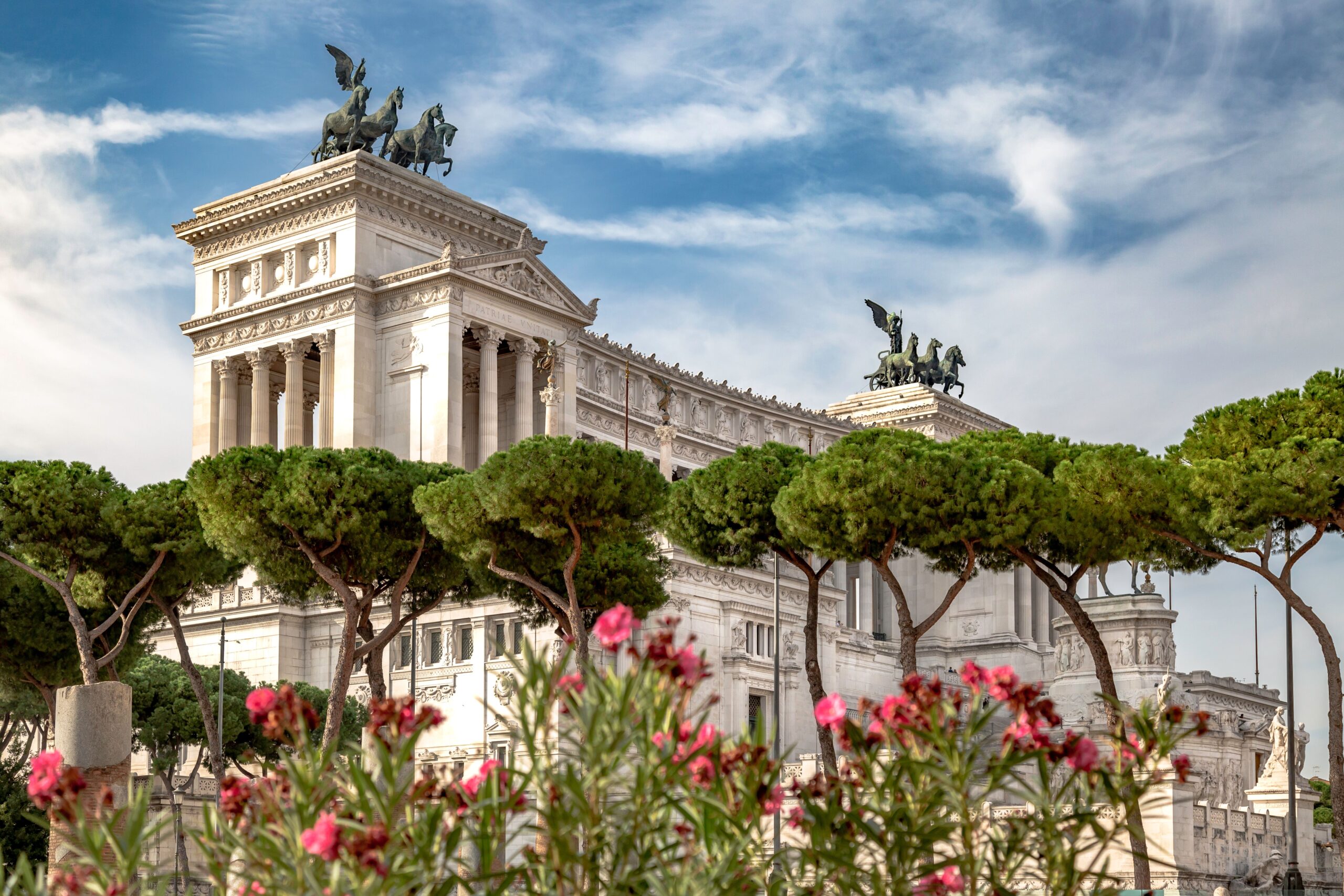
July is one of the most popular months to visit Rome. Schools are on holiday across North America and Europe, travel demand reaches its summer peak, and the city comes alive with visitors eager to experience its extraordinary history, architecture, food, and atmosphere.
At the same time, July presents unique challenges. Temperatures can be high, major attractions become crowded, and planning ahead becomes more important than ever.
From our experience guiding visitors through Rome every day, the key to enjoying the city in July is not avoiding the season—it is understanding how to navigate it. With the right expectations and a well-structured plan, Rome in July can be an unforgettable experience.
What Rome Is Like in July
Rome in July is vibrant, energetic, and busy.
The city welcomes travelers from all over the world, creating a lively atmosphere throughout its historic center. Piazzas remain active late into the evening, outdoor dining thrives, and many of Rome’s most beautiful areas feel particularly alive after sunset.
While July is not the quietest time of year, it offers advantages that many visitors appreciate:
- Long daylight hours
- Warm evenings
- Extended sightseeing opportunities
- Active cultural atmosphere
- Ideal conditions for outdoor dining
For travelers seeking a dynamic and energetic Roman experience, July delivers exactly that.
Understanding Rome’s July Weather
One of the most common questions we receive concerns Rome weather in July.
Average Temperatures and Daily Conditions
July is typically one of the hottest months of the year in Rome.
Visitors can generally expect:
- Daytime temperatures between 30°C and 36°C (86°F to 97°F)
- Occasional heat waves exceeding these averages
- Warm evenings often remaining above 22°C (72°F)
- Very limited rainfall
Sunny days dominate the month, making July highly predictable from a weather perspective.
How the Summer Heat Affects Sightseeing
The heat is often the biggest factor shaping a visitor’s experience.
Walking between attractions under direct sun can feel demanding, especially during the early afternoon. Historic areas such as the Colosseum, Roman Forum, and Palatine Hill offer limited shade in many sections.
This does not mean sightseeing should be avoided. It simply means that pacing becomes essential.
We usually recommend structuring sightseeing around the cooler hours of the day whenever possible.
How Crowded Rome Gets During July
Crowds are a reality of visiting Rome in July.
The Busiest Attractions in Rome During July
Certain attractions consistently experience the highest visitor numbers:
- The Colosseum
- Vatican Museums
- St. Peter’s Basilica
- Trevi Fountain
- Pantheon
- Spanish Steps
These landmarks remain extraordinary, but they require planning.
Advance reservations are strongly recommended, particularly for the Colosseum and Vatican Museums.
Understanding Peak Times
Crowds tend to be highest:
- Between 10:00 AM and 3:00 PM
- On weekends
- During major holiday periods
Early morning and late afternoon generally provide a more comfortable experience.
Visiting the Colosseum and Ancient Rome in Summer
The Colosseum remains one of the highlights of any trip to Rome, regardless of season.
Best Times of Day to Visit the Colosseum
For a summer visit, timing is critical.
We typically suggest:
- Early morning entries
- Late afternoon visits
These periods offer:
- Lower temperatures
- Better lighting
- More comfortable walking conditions
- Reduced crowd density
A structured Colosseum tour in Rome can also help maximize efficiency by reducing uncertainty and streamlining access.
Ancient Rome Beyond the Amphitheater
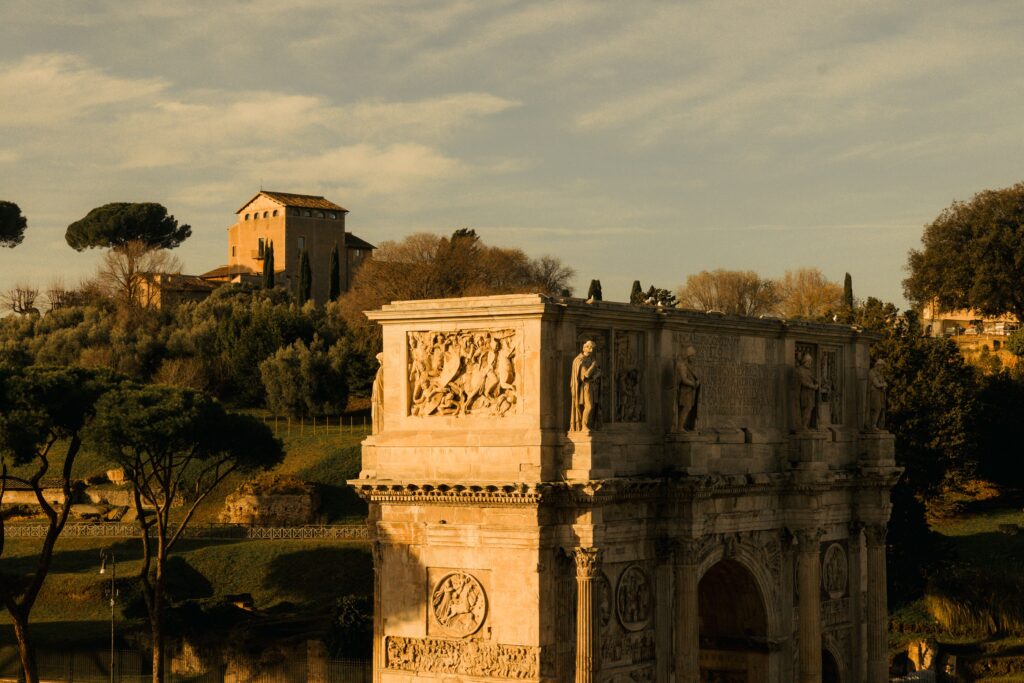
The Roman Forum and Palatine Hill are equally important parts of the experience.
Because these areas involve extensive walking with limited shade, visiting during cooler hours becomes even more valuable.
A well-paced visit allows travelers to appreciate the historical significance without feeling overwhelmed by the heat.
Exploring the Vatican During Peak Season
Managing Crowds at the Vatican Museums
The Vatican Museums visit is extraordinary, but July is one of the busiest periods of the year.
Advance booking becomes almost essential.
Arriving early often creates the best experience, allowing visitors to move through galleries before peak visitor volumes develop.
Planning Basilica Visits
St. Peter’s Basilica can often feel more comfortable later in the day when some museum visitors have already departed.
Combining the museums and basilica strategically helps create a smoother overall experience.
How to Plan Your Days Around the Heat
The most successful July itineraries are designed around temperature patterns.
Morning: Major Historical Attractions
The morning hours are ideal for:
- Colosseum visits
- Roman Forum exploration
- Vatican Museums
- Guided tours
Temperatures are generally lower, making physical activity more comfortable.
Afternoon: Slower Pace
Between approximately 1:00 PM and 4:00 PM, we recommend reducing activity levels.
This can be an excellent time for:
- Long lunches
- Museum visits
- Café breaks
- Shopping
- Relaxing in shaded areas
Evening: Rome at Its Best
Many visitors discover that Rome becomes particularly enjoyable after sunset.
The city cools noticeably, monuments become beautifully illuminated, and neighborhoods such as Trastevere and Monti take on a completely different atmosphere.
What to Pack for Rome in July
Packing appropriately can make a major difference.
Summer Clothing and Travel Essentials
We generally recommend:
- Lightweight clothing
- Comfortable walking shoes
- Sunglasses
- Sunscreen
- Reusable water bottle
- Light hat or umbrella for shade
Rome’s public fountains provide free drinking water throughout the city, making hydration easy.
Planning for Religious Sites
Visitors entering the Vatican should remember that shoulders and knees must remain covered inside certain religious sites.
Light layers can help balance comfort with dress requirements.
Making the Most of a July Trip to Rome
The key to enjoying Rome in July is not trying to see everything.
Instead, focus on:
- Prioritizing major attractions
- Booking ahead
- Starting early
- Taking afternoon breaks
- Exploring neighborhoods in the evening
This approach creates a much more comfortable and rewarding experience.
Why Guided Tours Improve the Experience in July
Summer crowds can make independent sightseeing more complicated.
One of the advantages of organized Rome guided tours is efficiency. Well-planned tours help visitors move through major sites with greater clarity and less logistical stress.
This becomes especially valuable when temperatures are high and attraction demand is at its peak.
Experience Rome in July with Us
July is one of the most exciting times to experience Rome, but it is also one of the months when thoughtful planning matters most.
Our small group tours are designed to help visitors experience the city’s most important landmarks while maintaining a comfortable pace. Through expert storytelling, careful scheduling, and efficient organization, we help travelers spend less time worrying about logistics and more time connecting with Rome itself.
Whether exploring the Colosseum, the Roman Forum, Palatine Hill, or the Vatican area, our goal is always to create a premium experience that balances history, culture, and comfort.
If you are planning a July visit, we invite you to explore Rome with us through experiences designed to make the most of one of the city’s most vibrant seasons.